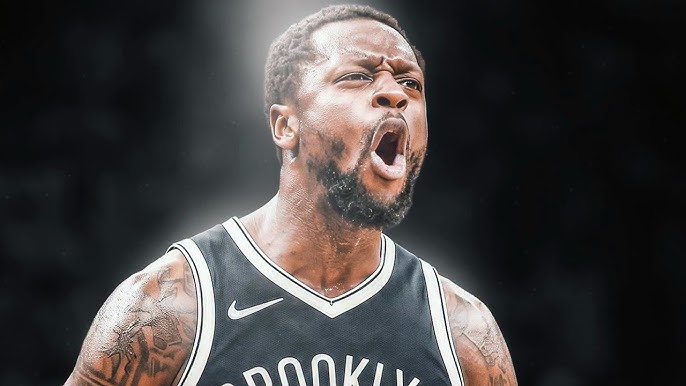
The Minnesota Timberwolves made one of the most surprising moves of the NBA offseason on Wednesday, agreeing to send veteran forward Julius Randle and the No. 28 overall pick in the 2026 NBA Draft to the Brooklyn Nets as part of a three-team trade that also involves the Chicago Bulls, according to a report from NBA insider Shams Charania.
In a deal that could significantly reshape the immediate futures of all three franchises, the Nets will acquire Randle and Minnesota’s first-round selection at No. 28, while the Bulls land standout center Nic Claxton. The Timberwolves, meanwhile, will receive Brooklyn’s No. 33 overall pick, marking a notable shift in roster construction for a team that entered the offseason facing major questions about its long-term direction.
The transaction instantly becomes one of the most talked-about deals of the summer, not only because of the caliber of players involved but also because of the differing motivations behind each franchise’s decision-making process. For Minnesota, the move signals a willingness to pivot from a veteran-heavy core while creating additional financial flexibility. For Brooklyn, it represents another step in the organization’s ongoing effort to accelerate its rebuild and add proven talent capable of helping establish a competitive foundation. Chicago, meanwhile, addresses a major need in the middle by securing one of the league’s most versatile defensive centers.
The headline piece heading to Brooklyn is Randle, a three-time NBA All-Star whose arrival immediately gives the Nets one of the most accomplished offensive players on their roster. Throughout his career, Randle has established himself as a physical scorer, capable rebounder, and offensive initiator. While his tenure in Minnesota ultimately proved shorter than many anticipated, the veteran forward remains one of the league’s more productive frontcourt players when healthy.
Randle’s addition provides Brooklyn with a player capable of carrying significant offensive responsibility. The Nets have spent the past several seasons navigating roster transitions and rebuilding efforts following the departures of several superstar talents. Acquiring a player with Randle’s experience and production could help stabilize a young roster while providing leadership both on and off the court.
For Brooklyn’s front office, the decision to absorb Randle’s contract and acquire a first-round draft pick reflects a strategy that blends present competitiveness with future asset accumulation. The inclusion of the No. 28 selection gives the Nets another opportunity to add young talent through the draft while simultaneously bringing in a proven veteran who can contribute immediately.
The move also sends a strong message that Brooklyn is not interested in a prolonged rebuild. While draft assets remain valuable, organizations often seek players capable of accelerating development among younger teammates. Randle fits that description. His ability to score in isolation, attack the paint, and create offense from the power forward position offers the Nets a dimension they have lacked at times during recent seasons.
Minnesota’s side of the deal is perhaps the most intriguing. Just one year ago, the Timberwolves appeared committed to maintaining a veteran core capable of competing in the Western Conference. However, roster-building in today’s NBA often requires difficult decisions, particularly for teams navigating salary cap concerns and evolving championship aspirations.
By moving Randle and the No. 28 pick while receiving the No. 33 selection in return, Minnesota creates additional roster flexibility while still retaining a valuable draft asset near the top of the second round. Although the difference between the two selections may appear modest on paper, front offices increasingly view early second-round picks as valuable tools because of the contract flexibility attached to them.
Unlike first-round selections, second-round picks often allow teams greater control over contract structures and salary commitments. That flexibility can become especially important for contenders seeking to maximize roster depth while managing financial constraints.
For the Timberwolves, the move may also indicate confidence in their existing frontcourt options and a desire to allocate resources elsewhere. Minnesota has spent recent years building around a talented young core while balancing the expectations that come with postseason success. Every roster decision now carries heightened significance as the organization attempts to remain among the Western Conference elite.
Sources around the league have consistently emphasized the importance of flexibility in today’s NBA environment. Teams competing at the highest level must not only evaluate current production but also project future financial commitments. Minnesota’s willingness to part with both Randle and a first-round pick suggests the front office believes the long-term benefits outweigh the short-term costs.
Meanwhile, the Chicago Bulls emerge from the transaction with perhaps the clearest roster upgrade.
Claxton arrives in Chicago after establishing himself as one of the league’s most reliable defensive centers. Known for his mobility, rim protection, and versatility in switching defensive schemes, the veteran big man has become one of the NBA’s most respected interior defenders.
His addition addresses a critical area of need for the Bulls. For much of the past several seasons, Chicago has searched for consistency in the frontcourt, particularly on the defensive end. Claxton immediately changes that equation.
The center’s ability to anchor a defense while contributing as a lob threat and efficient finisher makes him an attractive addition for any team seeking balance. His presence should provide Chicago with greater defensive stability while enhancing the team’s overall athleticism.
What makes Claxton particularly valuable in the modern NBA is his adaptability. Traditional centers often struggle against perimeter-oriented offenses, but Claxton’s mobility allows him to defend multiple positions and remain effective in various schemes. That versatility has become increasingly important as teams prioritize switch-heavy defensive systems.
For Chicago’s coaching staff, integrating Claxton into the rotation should create opportunities to improve both transition defense and half-court execution. His rebounding, shot-blocking, and ability to defend in space make him one of the more impactful defensive big men available.
From a broader perspective, the trade underscores how aggressively teams are approaching roster construction ahead of another highly competitive NBA season.
The Western Conference remains loaded with championship contenders, making every marginal improvement critical. Minnesota’s front office clearly believes this move enhances its long-term flexibility and positions the franchise for future opportunities.
The Eastern Conference landscape presents its own challenges. Brooklyn continues to search for the right combination of youth and experience, while Chicago aims to reestablish itself as a playoff threat. This trade reflects those differing priorities while offering each team a pathway toward its respective goals.
League executives often describe successful trades as transactions in which every participating team addresses a specific need. By that standard, this deal carries the potential to satisfy all parties involved.
Brooklyn gains an accomplished scorer and additional draft capital. Chicago secures a defensive anchor in the paint. Minnesota obtains flexibility and maintains access to draft talent while reshaping its roster.
Of course, the ultimate judgment of the trade will depend on future performance.
Randle’s impact in Brooklyn will be closely monitored, particularly as he adjusts to a new system and assumes a leadership role. His ability to remain healthy and productive could significantly influence the Nets’ trajectory over the next several seasons.
Claxton faces similar expectations in Chicago. The Bulls are counting on him to elevate their defense and provide consistency in the frontcourt. If he performs at the level many around the league expect, Chicago could emerge as one of the more improved teams in the Eastern Conference.
For Minnesota, the focus will shift toward how the organization utilizes its newfound flexibility. Whether through future trades, free-agent acquisitions, or draft selections, the Timberwolves now possess additional options as they continue building a roster capable of competing deep into the postseason.
The trade also serves as a reminder of how quickly circumstances can change in the NBA. Players viewed as foundational pieces one season can become trade assets the next. Front offices must constantly evaluate opportunities to improve, even when those decisions involve difficult departures.
Randle’s exit from Minnesota closes a chapter that carried both promise and intrigue. While his time with the franchise may not have produced the long-term partnership some envisioned, his contributions remain significant. Now, a new opportunity awaits in Brooklyn.
For Claxton, the move represents a chance to become a cornerstone of Chicago’s defensive identity. For the Bulls, it is an opportunity to strengthen a roster seeking renewed relevance in an increasingly competitive conference.
As the NBA offseason continues, more moves are certain to follow. Yet few transactions have generated as much immediate discussion as this three-team agreement involving the Timberwolves, Nets, and Bulls.
The ramifications will be analyzed for months, perhaps years, as executives, coaches, players, and fans evaluate whether each organization achieved its objectives. What is clear today is that all three franchises have chosen a new direction.
Brooklyn adds a proven veteran scorer and valuable draft capital. Chicago secures a defensive centerpiece. Minnesota gains flexibility and a different path forward.
In an NBA defined by constant change, that combination was enough to bring three organizations together in one of the offseason’s most significant deals, a move that could ultimately influence the trajectory of multiple franchises long after the draft picks are made and the headlines fade.