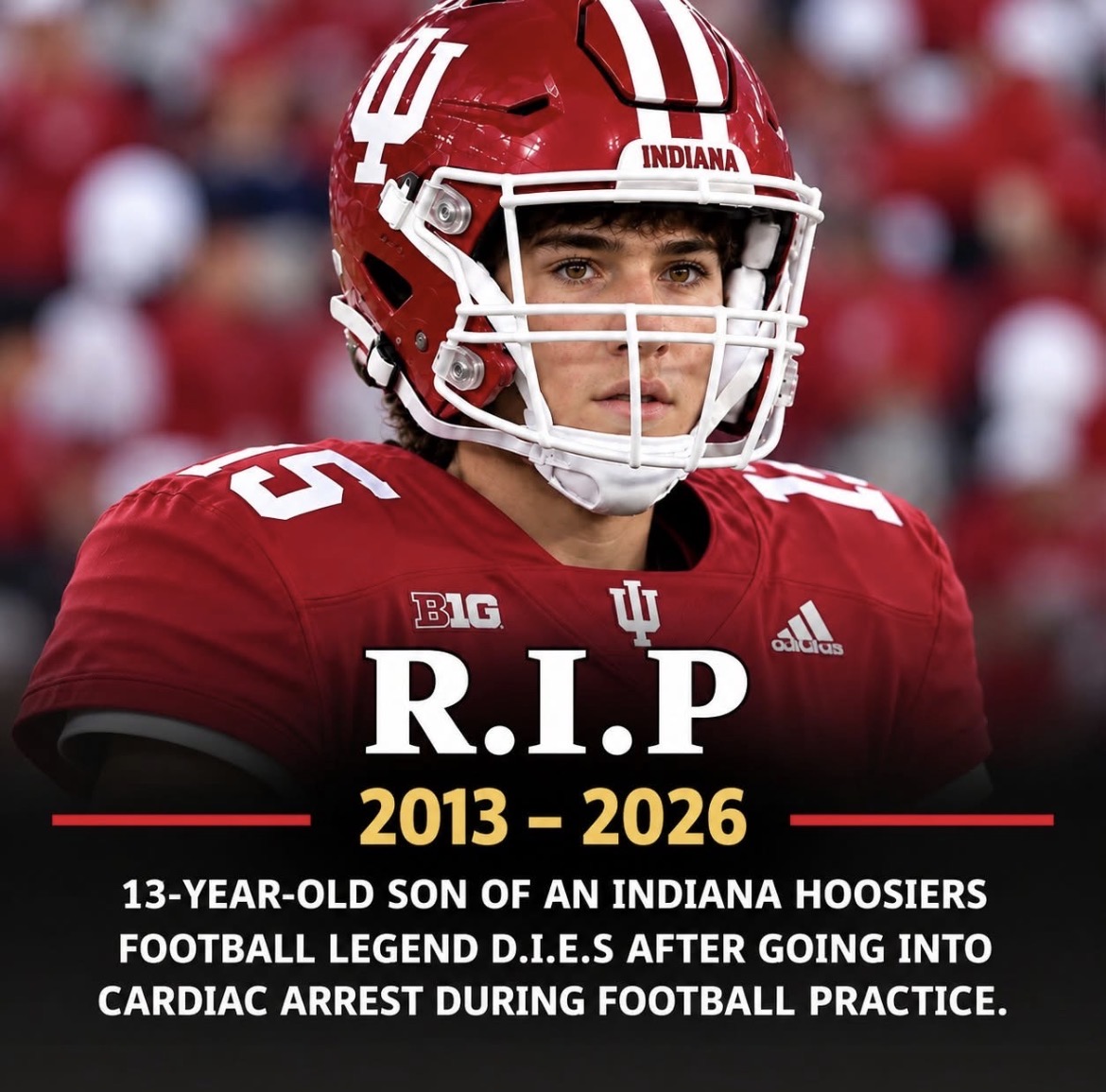
A heartbreaking loss has shaken the football community after a 13-year-old boy reportedly died following a cardiac arrest during football practice.
A devastating tragedy involving a young football player has brought renewed attention to the fragility of life and the importance of athlete safety, after reports emerged that a 13-year-old boy suffered cardiac arrest during practice and later died.
The heartbreaking incident has sparked concern among sports fans and youth football communities, with the circumstances surrounding the young athlete’s medical emergency drawing attention to the potential dangers of sudden cardiac arrest in young people.
According to reports, the teenager experienced cardiac arrest while participating in football practice. Despite efforts to save him, the young player reportedly died following the medical emergency.
The loss is particularly painful because of the boy’s young age and the circumstances in which the incident occurred. Football practice is typically a place where young athletes develop their skills, build friendships and pursue their sporting ambitions. For the family involved, however, what should have been an ordinary day of football has reportedly ended in unimaginable heartbreak.
A Devastating Loss for the Football Community
News of the teenager’s reported death has highlighted the emotional impact that tragedies involving young athletes can have on families, teammates, coaches and the wider sporting community.
At just 13 years old, the boy was still in the early stages of his life, with years of opportunities and experiences ahead of him. His reported death serves as a sobering reminder that sporting events can sometimes be interrupted by medical emergencies that require immediate attention.
For parents who allow their children to participate in organized sports, incidents like this can be particularly difficult to process. Youth football provides opportunities for exercise, discipline, teamwork and personal development, but the safety of young athletes must always remain a priority.
The news also raises important questions about emergency preparedness at training facilities, including the availability of medical personnel, automated external defibrillators and established procedures for responding to sudden cardiac arrest.
However, the specific circumstances of this incident, including the emergency response and the medical factors that may have contributed to the teenager’s condition, have not been independently established here.
Understanding Sudden Cardiac Arrest in Young Athletes
Sudden cardiac arrest occurs when the heart unexpectedly stops pumping blood effectively because of an electrical malfunction. It is a medical emergency that requires immediate intervention.
Although cardiac arrest is often associated with older adults, it can also occur in children and teenagers. In some cases, underlying heart conditions may increase the risk, even when an individual has not previously experienced obvious symptoms.
Physical exertion can place additional demands on the cardiovascular system. For that reason, recognizing warning signs and ensuring that appropriate emergency procedures are in place are important parts of youth sports safety.
Possible warning signs can include fainting during exercise, unexplained chest discomfort, unusual shortness of breath, palpitations or a family history of certain inherited heart conditions. These symptoms do not necessarily indicate cardiac disease, but they should be taken seriously and assessed by qualified medical professionals.
It is also important to understand that cardiac arrest is not the same as a heart attack. A heart attack generally involves a disruption of blood flow to part of the heart muscle, while cardiac arrest involves the heart’s inability to maintain effective circulation. A heart attack can sometimes trigger cardiac arrest, but the two conditions are different.
The exact cause of the teenager’s reported medical emergency has not been confirmed in the information available for this report. It would therefore be premature to attribute his death to a particular heart condition, the intensity of practice or any other specific factor.
Why Emergency Preparedness Matters in Youth Football
The tragedy underscores the importance of ensuring that coaches, athletic staff and other adults responsible for young athletes understand how to respond to medical emergencies.
Cardiopulmonary resuscitation, commonly known as CPR, can help maintain blood flow to vital organs while emergency assistance is being provided. An automated external defibrillator, or AED, can analyze a person’s heart rhythm and deliver an electrical shock when appropriate.
When sudden cardiac arrest occurs, calling emergency services, beginning CPR promptly and using an AED as soon as possible can improve the chances of survival.
Schools, clubs and youth football organizations can strengthen their emergency preparedness by developing clear response plans, providing CPR and AED training, and ensuring that emergency equipment is accessible.
Preparticipation medical evaluations and appropriate follow-up when concerning symptoms arise can also help identify some potential health risks. However, screening cannot detect every condition that may lead to sudden cardiac arrest, making emergency readiness essential even when athletes appear healthy.
These precautions are not a guarantee against every tragedy, but they can help organizations respond more effectively when a life-threatening emergency occurs.
Questions Remain About the Reported Incident
The initial report describes the teenager as the son of an Indiana Hoosiers football legend. However, the identity of the former player and the reported family relationship have not been independently verified for this article.
Further confirmed information is also needed to establish the precise timeline of the incident, the emergency treatment provided and any official statement from the family, school or football organization involved.
Those details matter when reporting a tragedy of this nature. Respecting the family’s privacy while establishing the facts is especially important when the person at the center of the story is a child.
Until reliable confirmation is available, the circumstances should be treated with care rather than supplemented with speculation.
A Painful Reminder That Life Comes First
Football is a sport built around competition, commitment and the pursuit of excellence. For young players, it can also provide a sense of belonging and an opportunity to develop confidence and lasting friendships.
But no game, practice session or athletic achievement is more important than a player’s life.
The reported death of the 13-year-old boy is a heartbreaking reminder of that reality. It also highlights the responsibility shared by sports organizations, coaches, parents and communities to prioritize athlete welfare and ensure that appropriate emergency measures are in place.
For a family facing such a devastating loss, the impact extends far beyond the football field. It is a personal tragedy that cannot be measured by statistics, records or the outcome of a game.
As the sporting community reflects on the report, the immediate priority should remain compassion for the family and a commitment to learning from medical emergencies involving young athletes.
Every young athlete deserves the opportunity to play, grow and chase their dreams in an environment where their health and safety come first.
Everyday Sport will update this report as further verified information becomes available.