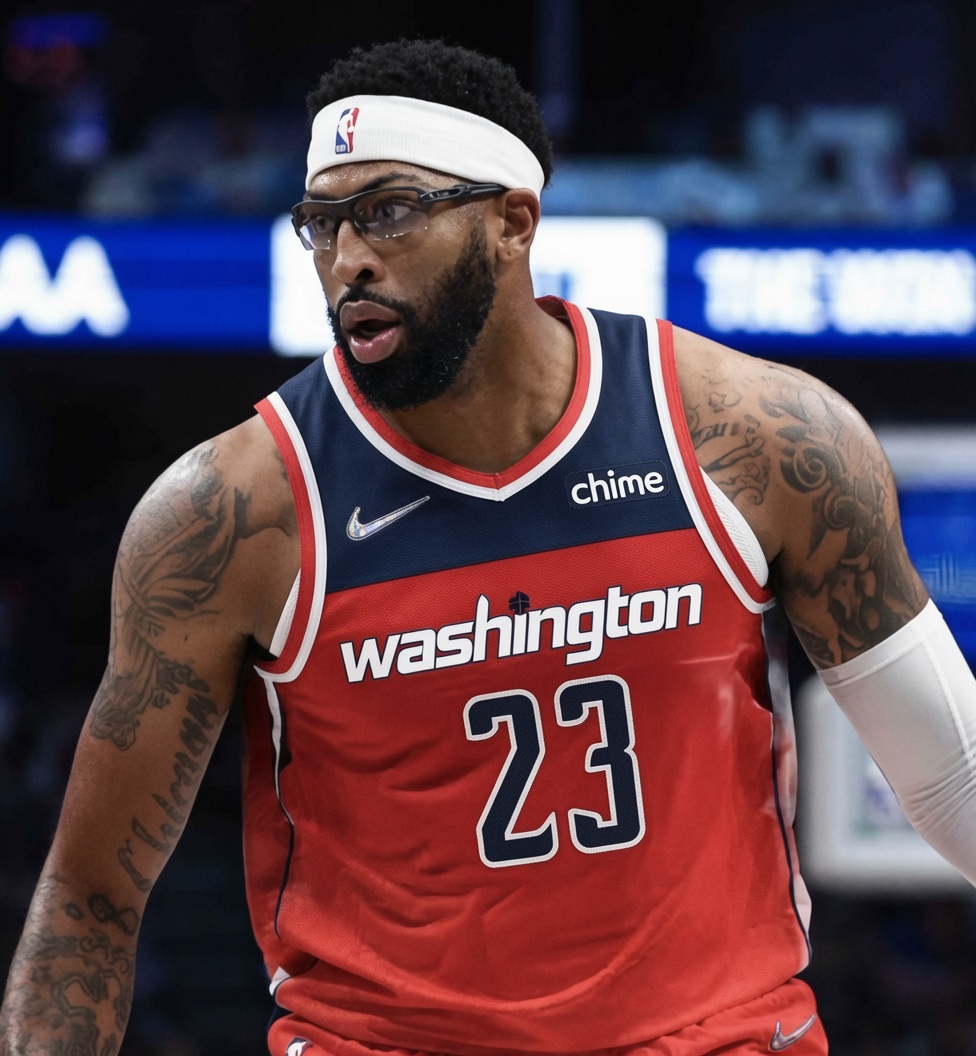
The moment the ping-pong balls settled and the Washington Wizards officially secured the No. 1 overall pick in the upcoming NBA Draft, the basketball world immediately shifted its attention toward one name: AJ Dybantsa. The projected generational prospect has spent the last several years building a reputation as one of the most electrifying young talents in basketball, a player many executives already believe can reshape the future of a struggling franchise. Yet while the noise surrounding his inevitable rise to NBA superstardom intensified almost instantly after the lottery announcement, Dybantsa delivered a response few expected in today’s era of rapid professional transitions and one-and-done college careers.
Instead of focusing solely on draft projections, endorsement possibilities, or the opportunity to become the face of a rebuilding NBA organization, Dybantsa made it clear that another priority remains firmly at the center of his plans. Education, he said, has always mattered to him. And despite the Wizards landing the coveted top selection, the BYU star revealed that he intends to return to Brigham Young University for another season.
The announcement immediately sent shockwaves across both the college basketball and NBA landscapes. In a time when elite prospects often spend the minimum amount of time necessary at the collegiate level before declaring for the draft, Dybantsa’s decision represented a dramatic departure from the norm. The modern basketball economy heavily rewards immediate professional entry. Top prospects can earn millions through rookie contracts, shoe deals, NIL opportunities, and marketing campaigns before they ever turn 20 years old. For many players, the temptation is impossible to ignore.
But Dybantsa’s comments revealed a different perspective, one grounded in long-term development and personal values rather than immediate financial gain or draft positioning. According to people close to the program, the BYU standout has consistently emphasized the importance of growth both on and off the court since arriving on campus. While scouts remain enamored with his length, athleticism, scoring ability, and defensive versatility, those around the program often point first to his maturity.
That maturity became evident again in the hours following the draft lottery. While social media exploded with mock trades, speculative jersey edits, and heated debates about whether Washington had finally found its franchise cornerstone, Dybantsa calmly reiterated that his journey is about more than simply reaching the NBA as quickly as possible.
The Wizards, meanwhile, suddenly find themselves at the center of one of the league’s most intriguing storylines. After enduring another difficult season and continuing a lengthy rebuild, the franchise finally caught a major break by winning the lottery. Around the league, executives viewed the top selection as particularly valuable because of Dybantsa’s immense upside. Several analysts have already labeled him the best overall prospect to emerge since Victor Wembanyama entered the NBA. Others believe his ceiling could rival some of the league’s brightest young stars if his development continues at its current pace.
For Washington fans desperate for hope, the possibility of pairing the franchise with a transformational talent generated immediate excitement. The organization has spent years searching for stability after multiple roster overhauls and inconsistent seasons. Landing the No. 1 pick appeared to signal the beginning of a new era.
Yet Dybantsa’s intention to remain at BYU potentially changes the timeline entirely.
While NBA rules and draft eligibility details will ultimately determine how the process unfolds, the broader message from Dybantsa resonated far beyond technicalities. His willingness to prioritize education and continued college development struck a chord throughout basketball circles, especially among coaches and former players who have long argued that young athletes are often rushed toward professional basketball before fully maturing.
Within hours of his comments becoming public, reactions flooded in from across the sport. Some applauded Dybantsa for making a decision rooted in personal conviction rather than external pressure. Others questioned whether remaining in college another year could unnecessarily expose him to injury risks or affect his eventual draft stock. But even among those skeptical of the decision, there was widespread respect for the confidence it took to publicly commit to a path that goes against prevailing trends.
At BYU, the impact of Dybantsa’s potential return cannot be overstated. The Cougars already viewed him as the centerpiece of one of the most ambitious eras in program history. Bringing back a player widely considered the nation’s top talent would instantly elevate expectations entering next season and potentially transform BYU into a legitimate national title contender.
The excitement surrounding the program has already grown substantially in recent years as the university increased its investment in basketball and expanded its recruiting ambitions. Dybantsa’s arrival represented a major statement that BYU could compete for elite-level prospects traditionally pursued by blue-blood programs. His decision to potentially stay another season would only strengthen that perception.
Coaches inside the program reportedly believe another collegiate year could allow Dybantsa to refine several areas of his game before entering the NBA spotlight full-time. While scouts universally praise his offensive creativity and physical tools, evaluators also acknowledge there are still aspects of his game that can evolve further. Another season could provide additional opportunities to sharpen decision-making, improve consistency as a perimeter shooter, and gain more experience handling defensive pressure designed specifically to stop him.
For Dybantsa himself, the college experience appears to hold genuine significance beyond basketball development alone. In his remarks about education, he emphasized a broader perspective that has become increasingly rare among elite prospects. Rather than viewing college merely as a temporary stopover before professional stardom, Dybantsa has consistently spoken about valuing the environment, relationships, and personal growth opportunities that come with remaining on campus.
That mindset reflects a level of self-awareness uncommon for players carrying such enormous expectations. Ever since emerging as a national phenom during his high school years, Dybantsa has operated under intense scrutiny. Every performance, interview, and social media appearance has been dissected by scouts, fans, and analysts eager to project his future. Despite that pressure, those close to him say he has remained remarkably grounded.
Part of that stability stems from the support system around him. Family members, mentors, and coaches have reportedly encouraged him to focus on long-term fulfillment rather than simply accelerating toward the NBA as fast as possible. In an era where outside voices often push young athletes toward immediate monetization, Dybantsa’s camp appears committed to ensuring that basketball success does not come at the expense of personal development.
The Wizards now face a fascinating period of uncertainty. While the franchise still holds the No. 1 pick, the assumption that Dybantsa would automatically become the centerpiece of their rebuild suddenly feels less straightforward. Team executives will undoubtedly continue monitoring the situation closely while evaluating every possible scenario. Around the league, rival executives are already speculating about how Washington might adjust its long-term strategy depending on Dybantsa’s final decision regarding draft entry.
Regardless of what ultimately happens, the attention surrounding the Wizards has intensified dramatically. The organization has spent much of the past several seasons outside the national spotlight, struggling to establish a coherent identity amid roster instability and disappointing results. Winning the lottery changed that overnight. Even with Dybantsa potentially delaying his NBA arrival, the franchise now sits at the center of basketball conversations.
Meanwhile, college basketball stands to benefit enormously if Dybantsa indeed returns for another year. The sport has increasingly battled the perception that elite stars view the college game as little more than a brief stepping stone. Retaining one of the nation’s biggest talents would provide a major boost for visibility, television ratings, and national interest.
It would also reinforce the growing influence of NIL opportunities within collegiate athletics. In previous eras, financial considerations alone often pushed top prospects toward the NBA as quickly as possible. Today’s NIL environment allows elite players to earn substantial compensation while remaining in school, giving athletes greater flexibility to make decisions based on personal priorities rather than economic urgency.
For Dybantsa, that evolving landscape may have created the freedom to genuinely consider what environment best serves his long-term goals. Instead of feeling pressured into an immediate leap to the professional ranks, he can continue building his brand, pursuing education, and developing his game while still benefiting financially from his status as one of basketball’s brightest young stars.
The broader implications of his comments may extend well beyond one player or one draft class. If a prospect universally viewed as the likely No. 1 overall pick openly prioritizes education and additional college development, it could influence how future elite recruits approach their own decisions. Coaches around the country have long searched for ways to convince top talent that remaining in school can provide meaningful value. Dybantsa’s stance offers a powerful example of that philosophy in action.
Of course, the scrutiny surrounding his choice will only intensify moving forward. Every game, every performance, and every public comment will now be analyzed through the lens of whether staying at BYU remains the right decision. Fair or not, elite prospects are constantly evaluated against hypothetical alternatives. If Dybantsa dominates college basketball next season, supporters will point to his growth and maturity as validation. If he struggles or suffers setbacks, critics will inevitably question why he delayed entering the NBA.
That reality comes with the territory of being a generational talent. But Dybantsa’s comments suggested he fully understands the stakes involved and remains comfortable making decisions aligned with his own priorities rather than external expectations.
For BYU fans, the possibility of another season featuring one of the sport’s most electric players feels almost surreal. Anticipation surrounding the program would reach unprecedented levels if Dybantsa officially returns. National television appearances, sold-out arenas, and championship expectations would likely follow. More importantly, his continued presence could permanently elevate the perception of the program on the national recruiting stage.
For the Wizards, patience may become the key word. Rebuilding franchises are often desperate for immediate transformation, especially after finally securing the top pick in a loaded draft. But if Dybantsa ultimately delays his NBA arrival, Washington may need to recalibrate its timeline while continuing to build infrastructure capable of supporting a future superstar whenever he eventually arrives.
And for basketball itself, Dybantsa’s announcement served as a reminder that not every elite athlete follows the same blueprint. In a sports culture increasingly driven by speed, branding, and instant gratification, his emphasis on education and personal growth offered a refreshing counterbalance.
The basketball world will continue debating what comes next. Analysts will dissect the implications for the draft. Fans will speculate about timelines, roster construction, and future championships. Executives will strategize around uncertainty. But amid all the noise, Dybantsa’s message remained remarkably simple.
Education matters to him. Growth matters to him. And despite the bright lights of the NBA waiting just ahead, he is not afraid to take a different path if he believes it is the right one.