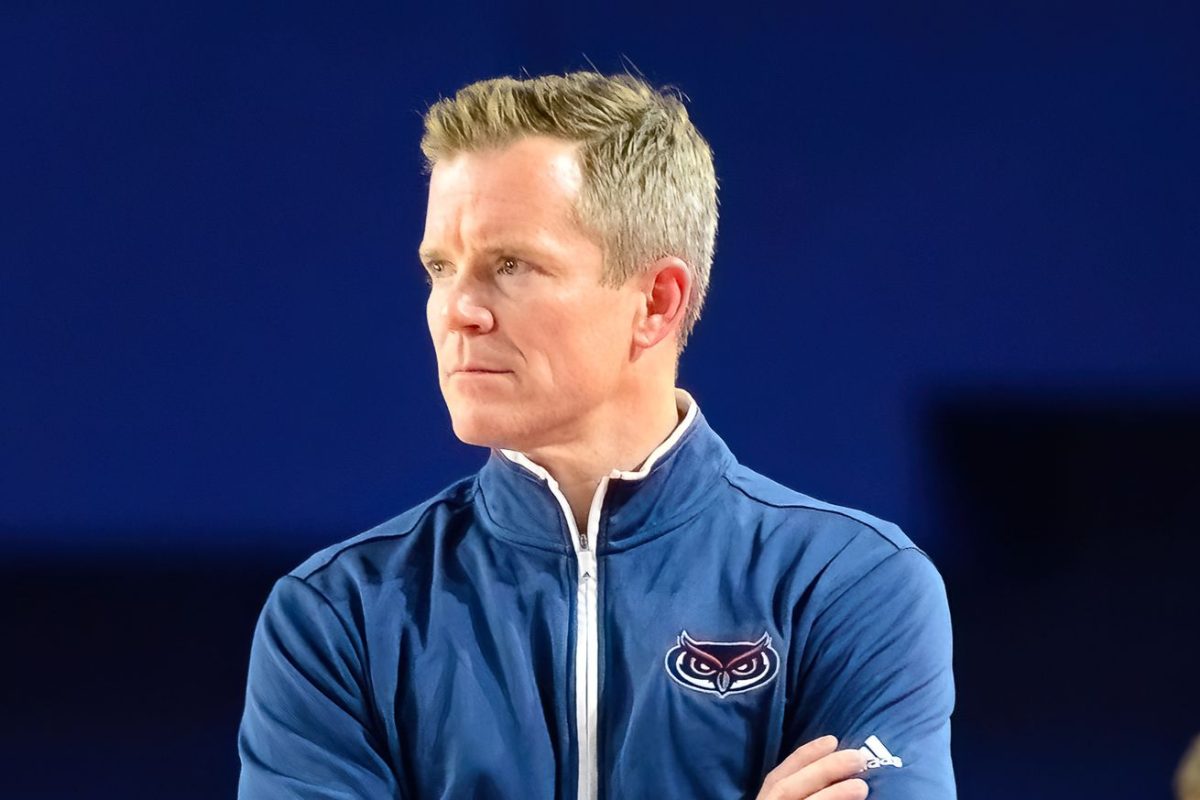
The Dallas Mavericks have made one of the boldest coaching moves of the NBA offseason, reaching an agreement with Michigan head coach Dusty May to become the franchise’s next head coach, sources told ESPN on Tuesday. The hiring represents a dramatic leap from college basketball to the professional ranks for one of the sport’s fastest-rising coaching minds and signals a new era in Dallas under the leadership of team president Masai Ujiri.
Fresh off guiding Michigan to the 2026 NCAA national championship, May now faces the challenge of translating his collegiate success to the NBA, where expectations are immediate and the margin for error is slim. Yet for the Mavericks, the decision reflects confidence that May’s leadership, player development expertise, and modern basketball philosophy can help position the franchise among the league’s elite contenders in the years ahead.
The move arrives at a pivotal moment for Dallas. Following a season that fell short of organizational expectations, the Mavericks entered the offseason determined to reshape their direction. Ujiri, known throughout basketball circles for bold personnel decisions and a willingness to think beyond conventional hiring practices, ultimately identified May as the coach capable of leading the next chapter of Mavericks basketball.
For May, the opportunity marks the culmination of a remarkable coaching journey that has transformed him from a respected college assistant into one of the most sought-after basketball minds in North America. His rise accelerated during his successful tenure at Florida Atlantic, where he led the program to unprecedented national relevance and established himself as one of the game’s brightest strategists. That success eventually paved the way for his move to Michigan, where he quickly restored one of college basketball’s most storied programs to championship prominence.
His crowning achievement came this past season when Michigan captured the NCAA title, completing a remarkable run that showcased May’s ability to build cohesive rosters, maximize player development, and consistently outperform expectations on the biggest stages. The championship elevated his profile nationally and immediately sparked speculation that professional organizations would soon come calling.
Now, those rumors have become reality.
League executives have long viewed May as a coach whose offensive creativity and adaptability could translate effectively to the NBA. Unlike many college coaches whose systems are heavily dependent on recruiting advantages, May has built a reputation around teaching, tactical flexibility, and maximizing the strengths of individual players. Those qualities have become increasingly valuable in a modern NBA where roster construction changes rapidly and coaches must continuously adjust to evolving personnel.
The Mavericks’ decision to hire May also reflects the growing trend of NBA organizations looking beyond traditional professional coaching circles. While former NBA assistants remain the most common candidates for head coaching vacancies, recent years have demonstrated that elite college coaches can successfully make the transition when their leadership skills and basketball philosophies align with professional environments.
Dallas believes May possesses many of those characteristics.
Throughout his coaching career, May has emphasized pace, spacing, ball movement, and defensive accountability. His teams have consistently ranked among the most disciplined and efficient units in their respective competitions. Players who have worked under him frequently describe him as demanding yet collaborative, a coach who empowers athletes while holding them accountable to clearly defined standards.
Those attributes will be tested immediately in Dallas, where managing professional stars requires a different approach than coaching college players. The NBA presents unique challenges involving player relationships, schedule management, roster dynamics, and media scrutiny. Every decision is magnified, and every losing streak generates questions.
Yet supporters of the hire believe May’s communication skills may be one of his greatest strengths.
Several coaches who have worked alongside him describe his ability to connect with players as a defining characteristic. He has earned praise throughout his career for fostering trust within locker rooms while maintaining competitive standards. That balance helped fuel Michigan’s championship run and contributed significantly to his reputation as a culture-builder.
The Mavericks are hoping those same qualities can help establish a sustainable identity for the franchise.
Ujiri’s influence on the hiring process cannot be overstated. Since arriving in Dallas, the veteran executive has emphasized long-term organizational growth while maintaining championship ambitions. Known for constructing the Toronto Raptors team that captured the 2019 NBA championship, Ujiri has repeatedly demonstrated a willingness to take calculated risks in pursuit of sustained success.
Hiring May certainly qualifies as one.
Rather than selecting a veteran NBA coach with years of professional experience, Dallas chose a coach whose résumé is rooted almost entirely in the collegiate game. The decision underscores the organization’s belief that innovation, leadership, and vision can outweigh concerns about professional experience.
That philosophy mirrors some of the thinking that has shaped successful organizations across sports. Teams increasingly prioritize adaptability and leadership over conventional credentials, recognizing that the ability to build strong cultures often matters as much as schematic expertise.
For Dallas, the timing of the hire is particularly significant given the evolving landscape of the Western Conference. Competition remains fierce, with multiple franchises positioned to contend for championships. Establishing a distinct identity has become increasingly important as teams search for competitive advantages.
May’s arrival could help provide that identity.
His offensive systems have consistently emphasized ball movement and decision-making, principles that align well with the modern NBA. At Michigan, his teams demonstrated an ability to create efficient scoring opportunities through spacing and player movement rather than relying exclusively on individual brilliance. While professional basketball naturally revolves around star talent, the Mavericks hope May can implement concepts that maximize overall team efficiency.
Defensively, his teams have been equally disciplined. Michigan’s championship season featured a defense that consistently forced difficult shots, limited transition opportunities, and executed game plans with precision. Those habits often translate across levels because they stem from commitment and accountability rather than specific schemes.
The challenge now will be implementing those principles against the world’s best players.
The jump from college basketball to the NBA has historically produced mixed results. Some coaches have thrived, successfully adapting their philosophies to the professional game. Others have struggled with the realities of managing veteran athletes and navigating an 82-game schedule.
May enters the league fully aware of those challenges.
However, those who know him best point to his adaptability as one of the reasons he was attractive to Dallas. Rather than rigidly adhering to a single system, he has consistently adjusted his approach based on personnel. That flexibility could prove essential as he learns the nuances of the NBA and builds relationships throughout the organization.
The excitement surrounding the hire extends beyond Dallas.
Around the basketball world, executives and analysts have viewed May as a future NBA coach for several years. His championship success only accelerated that timeline. Numerous organizations reportedly monitored his situation, recognizing that opportunities to hire championship-winning coaches in their prime are relatively rare.
Ultimately, the Mavericks moved decisively.
The agreement also represents another example of the increasingly blurred lines between college basketball and the NBA. As the sport evolves, organizations at both levels continue borrowing concepts from one another. College coaches study NBA spacing principles, while professional teams increasingly value player development methods long associated with the collegiate game.
May’s career embodies that convergence.
His coaching philosophy combines modern analytics, player empowerment, and tactical innovation. Those elements have become central to successful organizations regardless of level. The Mavericks are betting that the same principles that delivered a national championship in Ann Arbor can help produce sustained success in Dallas.
Of course, expectations will be substantial from the moment he arrives.
The Mavericks remain one of the NBA’s most visible franchises, operating in a major market with a passionate fan base and championship aspirations. Every coaching decision will be scrutinized. Every rotation choice will generate discussion. Every result will be analyzed through the lens of organizational expectations.
Such pressure comes with the territory.
Yet May’s track record suggests he has never shied away from challenges. Whether elevating Florida Atlantic into a national story or restoring Michigan to championship glory, he has repeatedly embraced opportunities that carried significant expectations.
Now comes the biggest challenge of his career.
The transition from NCAA champion to NBA head coach represents a leap few coaches ever make. Success is far from guaranteed, and history offers examples both encouraging and cautionary. What cannot be disputed, however, is the magnitude of the opportunity.
For the Mavericks, the hire signals ambition, creativity, and belief in a new vision. For Ujiri, it represents another bold decision designed to position the organization for long-term success. And for Dusty May, it marks the beginning of an entirely new chapter, one that will test his abilities against the highest level of competition basketball has to offer.
As the NBA offseason continues, few moves have generated more intrigue than Dallas’ decision to hand the keys of its franchise to a reigning national champion from the college ranks. Whether the gamble ultimately leads to championship contention remains to be seen.
What is clear is that the Mavericks have placed a significant bet on one of basketball’s brightest coaching minds, trusting that the qualities that made Dusty May a national champion can help transform Dallas into a perennial contender.
The next chapter of Mavericks basketball has officially begun.