College Football Fraud Alert: UCLA and Indiana Face Brutal Reality After Costly Week 12 Defeats.
The pressure is rising across college football as the regular season approaches its conclusion, and several teams that once appeared capable of making a serious College Football Playoff run are now facing uncomfortable questions about their legitimacy.
Week 12 delivered a series of results that dramatically changed the national conversation. Some programs strengthened their postseason cases, while others exposed weaknesses that had been hiding beneath impressive records and favorable rankings. For UCLA and Indiana, the latest setbacks were particularly damaging, turning what had been promising seasons into uncertain campaigns.
Both teams entered the weekend with legitimate aspirations of competing for a national championship. However, their performances against Michigan and Washington, respectively, revealed problems that could prove difficult to overcome with so little time remaining.
The latest edition of college football’s unofficial fraud investigation puts both programs under the spotlight. And while one defeat does not erase everything a team has accomplished, the timing and circumstances surrounding these losses make them especially difficult to ignore.
UCLA Bruins: A perfect season comes apart at the wrong time
The case: UCLA arrived in Ann Arbor carrying an undefeated record and growing expectations under first-year head coach Bob Chesney. The Bruins had emerged as one of the biggest surprises of the season, putting together a remarkable turnaround after finishing the previous campaign with a 3-9 record.
Their 10-0 start represented a significant achievement for a program that had struggled to find consistency in recent years. Chesney had quickly established a competitive identity, and UCLA’s defensive performances helped the Bruins become a legitimate presence in the Big Ten race.
However, the trip to Michigan exposed how narrow the margin had become between UCLA’s success and potential disappointment.
The Bruins fell 18-16 to Michigan in a triple-overtime battle, suffering their first defeat of the season. The result was particularly frustrating because UCLA had opportunities to escape with a victory but could not produce enough offensively when the game demanded it.
Quarterback Ty Dieffenbach also suffered a potentially serious injury during the contest, creating additional uncertainty around the team’s immediate future.
The verdict: Guilty.
UCLA’s undefeated record had helped establish the Bruins as a possible playoff contender, but the Michigan game brought several concerns into focus. Their defense had consistently kept opponents within reach, while the offense had often done just enough to secure victories.
That approach worked throughout much of the season. Against Michigan, however, the offensive limitations became impossible to overlook.
The injury to Dieffenbach makes the situation even more complicated. Even if he is able to return, UCLA must demonstrate that its offense can operate with greater consistency against quality opposition.
Chesney deserves credit for the program’s dramatic improvement, and one defeat should not erase the progress made during his first season. Nevertheless, the Bruins cannot expect their defense to rescue them every weekend.
Their upcoming rivalry matchup against USC presents another major test. UCLA still has an opportunity to finish strongly, but its championship ambitions have taken a serious hit.
Indiana Hoosiers: Defending champions lose control of their postseason destiny
The case: Indiana’s situation is arguably even more disappointing because the Hoosiers entered the season with the confidence and expectations that come with being defending national champions.
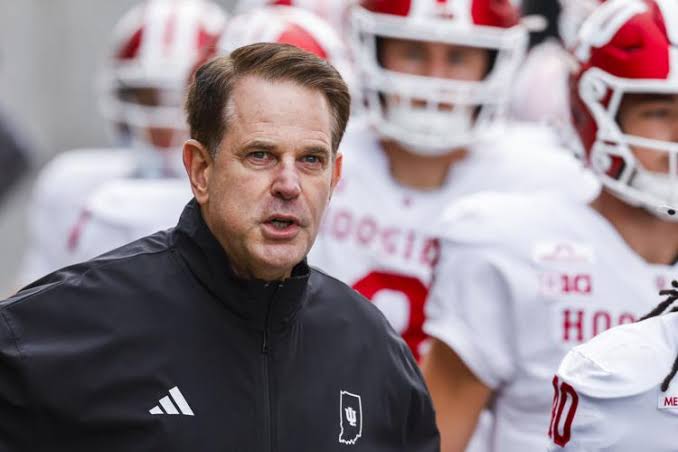
Curt Cignetti transformed the program into a national powerhouse, and Indiana spent much of the campaign demonstrating that its previous championship success was not simply a one-season phenomenon.
The Hoosiers appeared to regain momentum with an important victory over USC. That result strengthened their playoff argument and suggested they were prepared to make another serious run.
But the momentum disappeared quickly.
Indiana traveled to Seattle and suffered a 27-24 overtime defeat against Washington. Special-teams struggles, offensive inconsistency and questions surrounding the quarterback position contributed to a painful result.
The loss was particularly damaging because Indiana needed to finish the season strongly to protect its playoff position. Instead, the Hoosiers left Washington with another setback and fewer opportunities to repair their résumé.
The verdict: Guilty.
Indiana’s championship pedigree cannot automatically protect it from criticism. The Hoosiers have shown flashes of the team that conquered college football last season, but their recent performances have raised legitimate concerns about their ability to deliver consistently in high-pressure situations.
The quarterback uncertainty remains a significant issue for Cignetti. Indiana has struggled to establish the kind of dependable offensive rhythm required to compete against the nation’s strongest teams.
The Washington defeat also highlighted the importance of special teams in close contests. At this stage of the season, championship contenders cannot afford costly mistakes in situations that determine the outcome.
Indiana’s 2026 campaign is not necessarily over, but its margin for error has become extremely small. The Hoosiers must respond immediately and hope other results create another opportunity.
BYU: Winning is no longer enough to silence the criticism
BYU also finds itself under scrutiny after narrowly escaping Kansas in a dramatic triple-overtime contest.
The Cougars survived 31-29, with quarterback Bear Bachmeier connecting with Jojo Phillips for the decisive score. Although the victory kept their postseason hopes alive, the performance did little to eliminate concerns about their ability to close out games.
BYU has repeatedly allowed opponents to remain competitive longer than necessary. That habit nearly became disastrous against Kansas.
The verdict: Guilty.
The Cougars remain dangerous, but their inability to establish consistent control over games raises questions about their postseason ceiling. Surviving close contests is valuable, but relying on late-game escapes is not a dependable championship formula.
Iowa: A convincing response strengthens the Hawkeyes’ case
While several programs struggled, Iowa delivered one of the weekend’s more encouraging performances.
Kirk Ferentz’s team defeated Illinois 34-17, extending its winning streak to four games and keeping its Big Ten championship ambitions alive.
The Hawkeyes have traditionally relied on physical defense and disciplined football. Their recent offensive improvement has made them a more complete team, giving them a stronger argument as the season approaches its conclusion.
The verdict: Not guilty.
Iowa still has work to do, but its ability to control games and finish strong makes it a potentially difficult opponent in the postseason.
Boise State and Memphis: Playoff opportunities slipping away
Boise State suffered a damaging 22-20 defeat against San Diego State, raising further questions about its ability to handle pressure late in games.
The Broncos had opportunities to strengthen their position in the Group of Six playoff race, but another disappointing finish weakened their argument.
The verdict: Guilty.
Meanwhile, Memphis suffered a costly defeat against Navy, dealing a major blow to its postseason ambitions. The Tigers had little room for error, and the loss exposed the consequences of failing to take advantage of favorable opportunities.
The verdict: Guilty.
Liberty, by contrast, benefited from Boise State’s setback. The Flames entered the conversation after putting together a 10-game winning streak, positioning themselves as a potential alternative in the Group of Six race.
The verdict: Not guilty.
Nebraska receives a major victory, but questions remain
Nebraska produced one of the weekend’s biggest surprises by defeating Ohio State and ending the Buckeyes’ playoff hopes.
The victory was significant for Matt Rhule’s program, particularly given the Cornhuskers’ struggles against ranked opponents. Still, one major result does not automatically erase the inconsistencies that have followed Nebraska throughout the season.
The verdict: Guilty.
The victory can provide momentum heading into the offseason, but Nebraska must demonstrate that it can build on the result rather than treat it as an isolated achievement.
The final ruling: November football leaves little room for excuses
The latest weekend demonstrated how quickly the college football landscape can change. UCLA and Indiana entered the season’s closing stretch with championship ambitions, but their defeats exposed weaknesses that opponents can target.
For UCLA, the biggest concern is whether its offense can produce enough points to support an excellent defensive unit, especially with uncertainty surrounding Dieffenbach’s health.
For Indiana, the challenge is more immediate. Cignetti must find offensive stability, eliminate costly mistakes and convince the selection committee that the defending champions remain capable of competing with the best teams in the country.
Neither program should be dismissed entirely. Both have accomplished enough to deserve recognition for their seasons. But postseason opportunities are earned through performance, not reputation.
With the regular season nearing its conclusion, the next games will determine whether these teams can challenge their latest verdicts or whether their championship ambitions will end in disappointment.