The recruiting trail never really sleeps in college football, and for programs chasing sustained dominance, the future is always just as important as the present. That reality rang loudly again this week as a highly coveted four-star safety from the 2027 class made a statement that could ripple through recruiting circles for years to come. In a decision that underscores both long-term vision and immediate recruiting momentum, the standout defensive back announced his commitment to Notre Dame, choosing the Fighting Irish over powerhouse contender Ohio State.
For Notre Dame, this is more than just another addition to a future class—it’s a signal. In the increasingly competitive landscape of recruiting, where traditional powers battle not only for five-star talent but also for developmental prospects who can become elite contributors, landing a four-star safety this early in the 2027 cycle speaks volumes about the program’s recruiting infrastructure and appeal. The Irish didn’t just win a commitment; they won a recruiting battle against one of the sport’s most consistent talent-accumulating machines.
The defensive back in question has been on the radar of top programs since his early high school days, showcasing a rare blend of size, speed, and instincts that modern defensive coordinators covet. At a position that demands versatility—capable of dropping into coverage, supporting the run, and occasionally blitzing—the young safety has already demonstrated advanced football intelligence well beyond his years. His ability to read quarterbacks, anticipate routes, and close space quickly has made him one of the most talked-about prospects in his class.
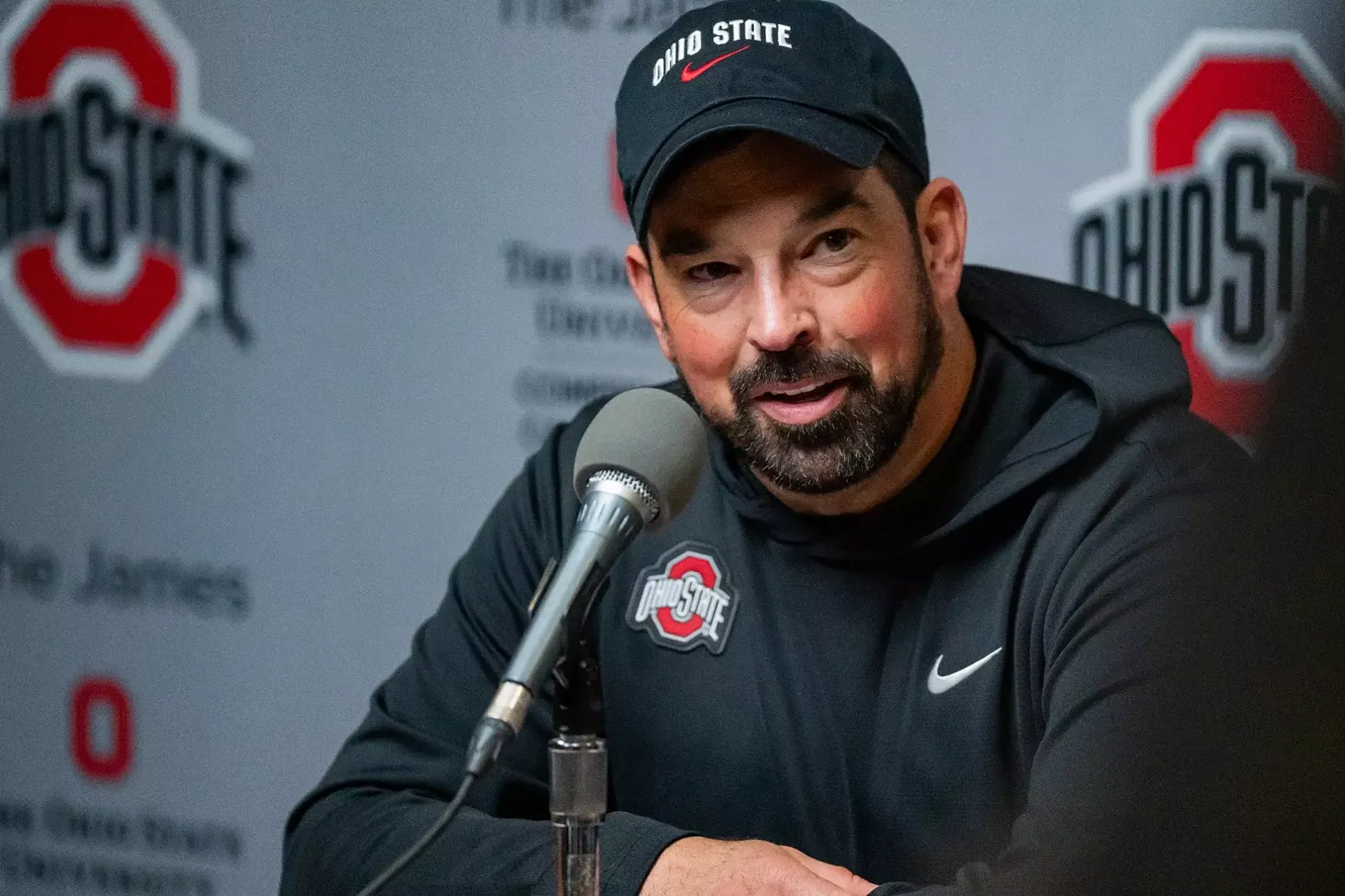
Ohio State’s involvement in his recruitment was no surprise. The Buckeyes have built a reputation as a pipeline for elite defensive backs, consistently sending players to the NFL and maintaining a defensive identity rooted in speed and aggression. For years, recruits at the safety position have viewed Columbus as a proving ground, a place where talent is refined and showcased on the national stage. That made this decision all the more compelling. When a defensive back prospect of this caliber looks elsewhere, it raises eyebrows—not because Ohio State lacks appeal, but because it underscores just how strong Notre Dame’s pitch has become.
Sources close to the recruitment indicate that the Fighting Irish’s approach was both personal and strategic. From early communication to campus visits, Notre Dame’s coaching staff made it clear that this wasn’t just about filling a future roster spot—it was about building a relationship. That relationship, built on trust and transparency, ultimately played a pivotal role in the decision. In an era where NIL opportunities, exposure, and development all factor heavily into a recruit’s choice, Notre Dame managed to check every box.
Equally important was the program’s vision for how the young safety would fit into its defensive scheme. Notre Dame has emphasized versatility in its secondary, often deploying safeties in hybrid roles that allow them to impact multiple phases of the game. For a player who prides himself on being more than just a traditional safety, that vision aligned perfectly with his skill set. The ability to move around the field, create turnovers, and contribute in both pass coverage and run support made South Bend an ideal destination.
There’s also the matter of culture. Notre Dame has long marketed itself as more than just a football program, emphasizing academics, tradition, and a holistic development approach. For many recruits, especially those thinking long-term beyond football, that combination carries significant weight. While Ohio State offers its own compelling case—elite competition, national exposure, and a track record of success—Notre Dame’s unique blend of football and academics continues to resonate with certain prospects.
Timing played a role as well. Early commitments in classes as far out as 2027 are becoming more common, but they still carry a degree of projection. For Notre Dame, securing a pledge at this stage allows the staff to build around a cornerstone defensive piece. It also sends a message to other recruits in the same class: the Irish are assembling something special, and there’s an opportunity to be part of it from the ground up.
For Ohio State, the loss is notable but not catastrophic. The Buckeyes remain one of the top recruiting programs in the country and will undoubtedly continue to land elite defensive backs. However, missing out on a player they heavily pursued highlights the increasingly competitive nature of recruiting battles at the highest level. Programs like Notre Dame are not just competing—they’re winning head-to-head matchups that once might have leaned more predictably in Ohio State’s favor.
Recruiting analysts have pointed to several factors that may have tipped the scales. Among them is Notre Dame’s recent emphasis on defensive back development, including coaching continuity and scheme evolution. The staff’s ability to communicate a clear plan for player growth, coupled with a track record that continues to improve, has elevated the program’s standing among defensive recruits. Add in a strong campus environment and national brand recognition, and it becomes clear why the Irish were able to close the deal.
The commitment also reflects broader trends in college football recruiting. Players are increasingly making decisions based on fit rather than just prestige. While traditional powerhouses still hold significant sway, recruits are paying closer attention to how they’ll be used, developed, and supported. In this case, Notre Dame’s pitch resonated more deeply, offering a combination of opportunity and alignment that proved decisive.
Looking ahead, the impact of this commitment could extend beyond a single roster spot. Early pledges often serve as catalysts, helping to attract other prospects and build momentum within a class. With a four-star safety now in the fold, Notre Dame has a foundational piece around which it can construct its 2027 defensive class. The staff will likely leverage this commitment in future recruiting efforts, highlighting it as evidence of the program’s ability to land top talent.
For the player himself, the journey is just beginning. Committing as a high school underclassman brings both excitement and responsibility. Expectations will follow, as will increased attention from fans and media. Maintaining focus, continuing development, and navigating the pressures of early recognition will be critical in the years ahead. If his trajectory continues on its current path, he has the potential to become a key contributor—and perhaps even a star—once he arrives on campus.
There’s also the ever-present reality that recruiting is fluid. Commitments, especially those made this early, are not always final. Programs will continue to recruit him, and circumstances can change over time. Both Notre Dame and Ohio State understand this dynamic well. While the Irish celebrate the victory, they also know the importance of maintaining the relationship and ensuring that the commitment holds firm through signing day.
From a broader perspective, this decision adds another chapter to the ongoing rivalry—not on the field, but on the recruiting trail—between Notre Dame and Ohio State. While the two programs don’t face each other annually, their competition for elite talent often mirrors the intensity of a traditional rivalry. Each win, each loss, contributes to the narrative of which program holds the upper hand in attracting the next generation of players.
In recent years, Notre Dame has made significant strides in closing the gap with perennial recruiting giants. Investments in facilities, staff, and recruiting infrastructure have begun to pay dividends. Landing a four-star safety over Ohio State is a tangible example of that progress. It’s not just about rankings; it’s about winning key battles that shape the future of the roster.
For fans, the news brings a mix of excitement and anticipation. While 2027 may feel distant, early commitments provide a glimpse into what the program could look like down the line. They offer hope, a sense of direction, and a reason to believe in the trajectory of the team. In an era where success is often measured in both immediate results and long-term planning, moments like this carry significant weight.
As the recruiting cycle continues to unfold, both programs will remain active, aggressive, and focused. Notre Dame will look to build on this momentum, adding more pieces to its 2027 class and strengthening its position among the nation’s elite. Ohio State, meanwhile, will continue to pursue top talent with the same intensity that has defined its recruiting success for years.
In the end, this commitment is a reminder of what makes college football recruiting so compelling. It’s a blend of strategy, relationships, projection, and competition. It’s about identifying talent early, building trust, and presenting a vision that resonates. For Notre Dame, that formula came together at the right moment, resulting in a significant addition to its future defense.
And for the young safety at the center of it all, the decision marks a pivotal step in a journey that is still just beginning. The spotlight will only grow brighter from here, but so too will the opportunities. If his early promise translates into on-field success, this commitment could be remembered not just as a recruiting win, but as the start of something much bigger for both player and program.