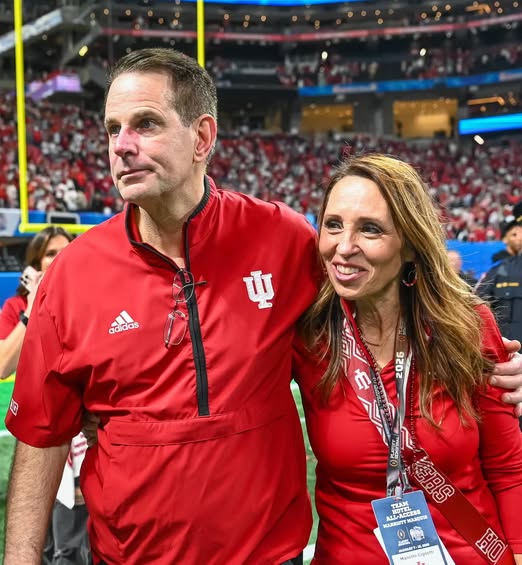
The news sent a ripple through college football circles with a mix of concern, reflection, and urgency: former Indiana quarterback Brendan Sorsby is entering a treatment program for a gambling addiction, stepping away from the game at a pivotal moment in his young career to confront an issue that has increasingly become part of a wider conversation in modern sports.
Sorsby, once viewed as a promising signal-caller with the potential to grow into a defining presence under center, made the decision after what sources close to the situation describe as a period of mounting personal struggle. While the public often sees athletes through the narrow lens of performance, statistics, and wins, this development underscores a deeper reality—one where the pressures of competition, visibility, and accessibility to online platforms can intersect in complicated and sometimes damaging ways.
The quarterback’s journey to this point has been anything but straightforward. Emerging from high school as a talented but relatively under-the-radar recruit, Sorsby carved out opportunities through persistence and a strong work ethic. His time at Indiana was marked by flashes of promise—moments where his arm strength, composure, and leadership hinted at a player capable of commanding an offense at a high level. Yet, like many young quarterbacks navigating the transition to major college football, consistency remained elusive, and the weight of expectations often loomed large.
Behind the scenes, however, a more personal battle was unfolding. Gambling, once a taboo subject in sports, has become increasingly normalized in the wake of widespread legalization and aggressive advertising campaigns tied to major leagues and media platforms. For athletes, particularly those in high-profile positions, the accessibility and cultural shift have introduced new risks. What may begin as casual engagement can escalate into a dependency that affects decision-making, mental health, and overall well-being.
For Sorsby, the decision to seek help represents a critical turning point. Entering a treatment program is not simply about stepping away from harmful behavior; it is an acknowledgment of vulnerability in an environment that often discourages it. In a culture where toughness is celebrated and personal struggles are frequently hidden, his choice signals a willingness to confront the issue head-on rather than allow it to spiral further.
Those familiar with his situation emphasize that the move was supported by a network of family, friends, and advisors who recognized the signs early enough to encourage intervention. While details of the program remain private, such initiatives typically focus on behavioral therapy, financial counseling, and long-term strategies designed to help individuals regain control over their habits. For athletes, these programs often also include education about the unique risks associated with their profession, including the potential for insider information misuse and the strict regulations imposed by governing bodies.
The broader implications of Sorsby’s situation extend beyond one individual. College athletics is currently navigating an era of unprecedented change, with Name, Image, and Likeness (NIL) opportunities providing athletes with financial independence earlier than ever before. While this shift has empowered many, it has also introduced new responsibilities and challenges, particularly for young players who may not yet have the experience or support systems to manage sudden access to money and the pressures that accompany it.
At the same time, the explosion of sports betting markets has created an environment where gambling is not only widely available but actively promoted. Partnerships between leagues, media companies, and betting platforms have brought odds, spreads, and wagering discussions into mainstream broadcasts, fundamentally altering how fans engage with games. For athletes, this proximity can blur boundaries and increase exposure to behaviors that carry significant risks.
The NCAA and other governing bodies have maintained strict policies regarding gambling, particularly when it involves sports in which athletes participate. Violations can result in severe penalties, including suspensions and loss of eligibility. However, enforcement alone cannot address the underlying issues of addiction and mental health. Sorsby’s case highlights the need for a more comprehensive approach—one that combines education, prevention, and accessible support systems.
Former players and analysts have already begun weighing in, many expressing empathy rather than judgment. The narrative surrounding gambling addiction has gradually shifted in recent years, moving away from moral condemnation toward a more nuanced understanding of it as a behavioral health issue. This shift is crucial in encouraging individuals to seek help without fear of stigma or backlash.
For Sorsby, the road ahead will likely be defined by both challenge and opportunity. Recovery is rarely linear, and the process of rebuilding trust—within himself, his circle, and potentially within a team environment—will take time. Yet, stepping away now may ultimately preserve not only his athletic career but his long-term well-being. In a profession where careers can hinge on split-second decisions and mental clarity, addressing such issues proactively can make a significant difference.
There is also the question of what this means for his football future. While immediate priorities center on treatment and recovery, the door to returning to the field remains open, depending on his progress and personal decisions. Programs across the country have increasingly shown a willingness to support athletes through personal challenges, recognizing that development extends beyond physical performance. Should Sorsby choose to resume his career, he would do so with a perspective shaped by experience—one that could influence not only his play but his leadership.
Within locker rooms, stories like this resonate deeply. Teammates often share similar pressures, even if their circumstances differ, and seeing a peer confront a personal issue can prompt reflection and, in some cases, encourage others to seek help. Coaches, too, are being challenged to adapt, balancing the demands of competition with a growing awareness of mental health and personal development. The modern athlete is not just a performer but a multifaceted individual navigating a complex landscape.
The timing of this development also invites broader discussion about the responsibilities of institutions and stakeholders in college sports. Universities, athletic departments, and governing bodies must consider how best to equip athletes with the tools needed to navigate an environment that includes financial opportunities, public scrutiny, and the pervasive presence of gambling. Educational programs, mentorship initiatives, and accessible counseling services are increasingly seen as essential components of a comprehensive support system.
In many ways, Sorsby’s situation serves as a case study in the evolving dynamics of sports culture. It reflects both the opportunities and the challenges of an era where traditional boundaries are shifting rapidly. The intersection of athletics, commerce, and technology has created a landscape that offers unprecedented possibilities but also demands greater awareness and responsibility.
Public reaction, while varied, has largely centered on support and hope for recovery. Fans, often quick to critique on-field performance, have shown a more compassionate side in response to personal struggles. This response is indicative of a broader cultural shift, one that recognizes the humanity of athletes and the complexities they face beyond the spotlight.
As the story continues to unfold, it will likely remain a point of reference in discussions about gambling, mental health, and athlete welfare. It may also influence policy decisions and educational efforts aimed at preventing similar situations in the future. For now, however, the focus remains where it should be—on Sorsby’s health, recovery, and the support systems surrounding him.
The path forward will not be defined by a single decision but by a series of steps taken over time. Entering treatment is the first and perhaps most crucial of those steps, signaling a commitment to change and a recognition of the importance of addressing the issue directly. In doing so, Sorsby has shifted the narrative from one of potential downfall to one of accountability and hope.
In the broader context of sports, stories like this challenge long-held perceptions and encourage a more holistic view of athletes. They remind us that behind every jersey is an individual with strengths, vulnerabilities, and the capacity for growth. While the headlines may focus on the immediate development, the lasting impact often lies in the conversations and changes that follow.
For Brendan Sorsby, this moment represents both an interruption and an opportunity—a pause in his football journey that could ultimately redefine it. Whether he returns to the field or chooses a different path, the decision to seek help stands as a testament to the importance of confronting challenges rather than concealing them. In a world where the pressure to perform can overshadow personal well-being, that choice carries a significance that extends far beyond the game itself.